
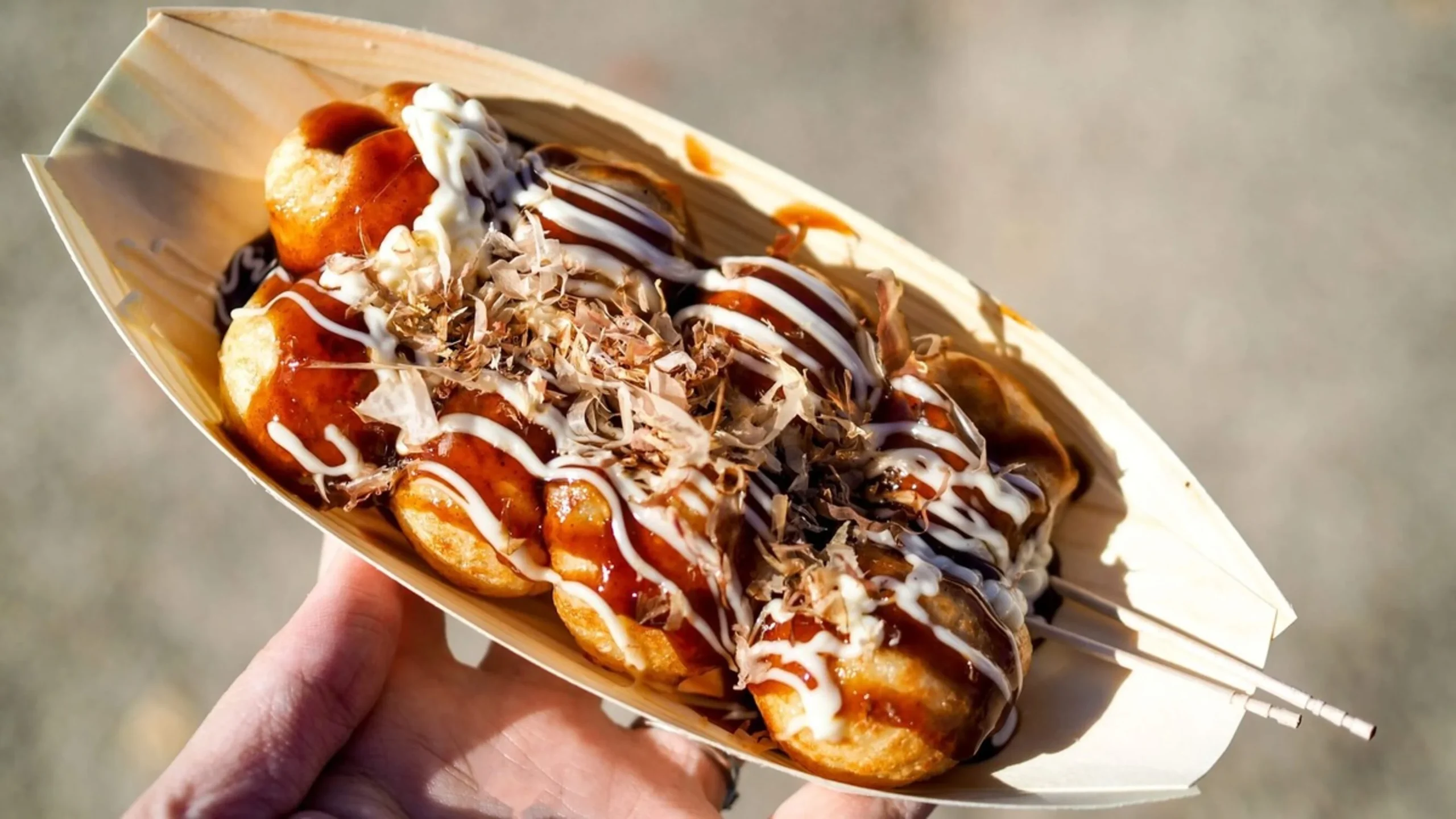

When it comes to food that truly captures the heart and soul of a city, nothing does it better than street food. It’s affordable, authentic, and packed with flavor — each bite telling a story of tradition, culture, and community. But have you ever wondered where your favorite street foods come from, or what cultural significance they hold? Let’s take a flavorful journey around the world and discover the fascinating origins behind some of the most beloved street foods.
Tacos – Mexico
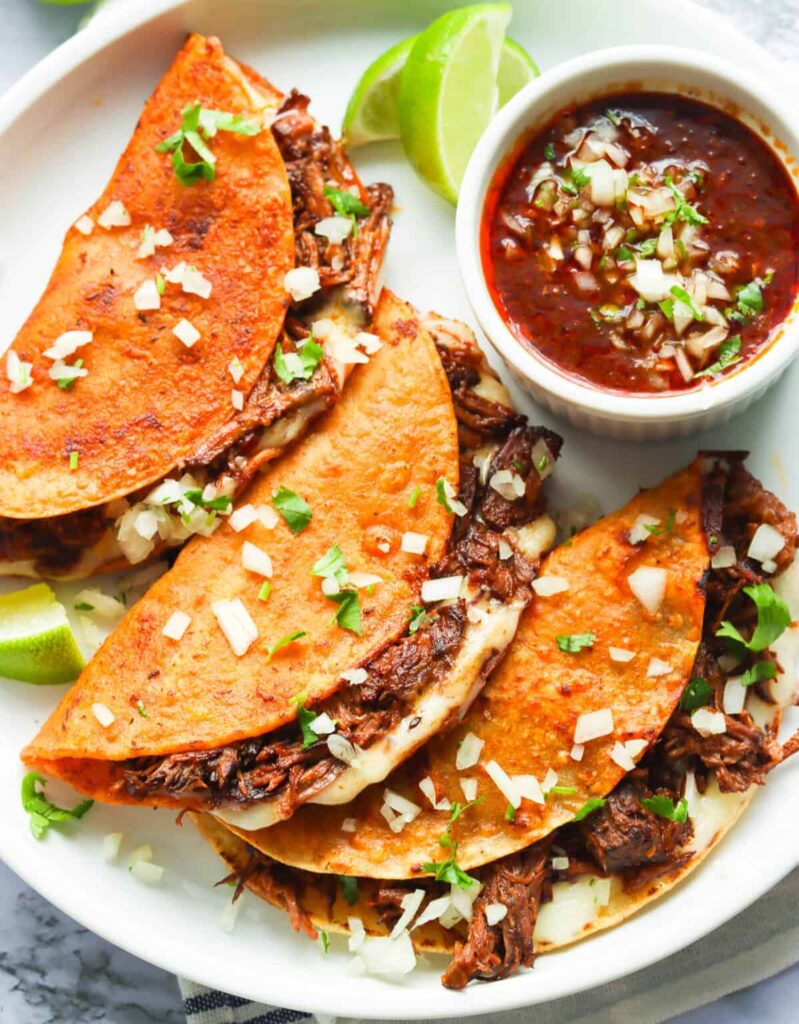
Tacos are a staple in Mexican cuisine, loved worldwide for their versatility and bold flavors. Their history dates back to the ancient Aztecs, who used tortillas to hold fillings like fish and beans. The word “taco” is believed to have originated from Mexican silver miners in the 18th century, where “taco” referred to explosives used to extract ore. Street vendors later popularized the food version, turning tacos into one of Mexico’s most iconic street snacks.
Satay – Indonesia
Satay, skewered and grilled meat served with spicy peanut sauce, is a famous street food found throughout Southeast Asia. While its exact origin is debated, it’s widely believed to have originated in Indonesia in the early 19th century. Influenced by Middle Eastern kebabs brought by traders, Indonesians created their version using local spices and flavors. Today, satay is a staple at street stalls and night markets across Indonesia, Malaysia, and Singapore.
Ramen – Japan
Ramen may be known today as a trendy Japanese noodle soup, but it actually has Chinese origins. It was introduced to Japan in the late 19th century by Chinese immigrants. Over time, Japanese chefs adapted it to suit local tastes, developing regional variations like tonkotsu (pork bone broth) and miso ramen. Street-side ramen stalls, called yatai, became popular after World War II, offering cheap, hearty meals to the working class.
Hot Dogs – United States
The humble hot dog, now a classic American street food, has European roots. It was brought to the U.S. by German immigrants in the 19th century, who introduced sausages known as frankfurters. The idea of serving sausages in a bun made them perfect for street vending in busy cities like New York. Today, hot dog stands are a symbol of American street food culture, often customized with local toppings and flavors.
Chaat – India
Chaat is a category of savory snacks found at street stalls throughout India, known for their tangy, spicy, and sweet flavors. Its history traces back to the royal kitchens of Mughal India, where chefs created dishes with a mix of spices and yogurt to aid digestion. Over time, these recipes spread to the streets, evolving into popular varieties like pani puri, bhel puri, and papri chaat that you can find in every Indian city today.
Why Street Food Matters
Street food is more than just a quick meal — it’s a reflection of a region’s history, trade routes, migrations, and cultural exchanges. It represents the creativity of everyday people using local ingredients to create affordable, flavorful dishes. In many parts of the world, street food also serves as a social experience, bringing communities together at bustling markets and street corners.
Final Thoughts
The next time you enjoy a hot taco, a bowl of ramen, or a spicy chaat, remember — you’re not just tasting food, you’re tasting history. Street food carries with it the flavors of tradition, migration, and innovation. It’s a delicious reminder that some of the best meals aren’t served in restaurants, but on sidewalks and market stalls, made by hands that have perfected recipes passed down for generations.🍢 The History and Culture Behind Your Favorite Street Foods
When it comes to food that truly captures the heart and soul of a city, nothing does it better than street food. It’s affordable, authentic, and packed with flavor — each bite telling a story of tradition, culture, and community. But have you ever wondered where your favorite street foods come from, or what cultural significance they hold? Let’s take a flavorful journey around the world and discover the fascinating origins behind some of the most beloved street foods.
Tacos – Mexico
Tacos are a staple in Mexican cuisine, loved worldwide for their versatility and bold flavors. Their history dates back to the ancient Aztecs, who used tortillas to hold fillings like fish and beans. The word “taco” is believed to have originated from Mexican silver miners in the 18th century, where “taco” referred to explosives used to extract ore. Street vendors later popularized the food version, turning tacos into one of Mexico’s most iconic street snacks.
Satay – Indonesia
Satay, skewered and grilled meat served with spicy peanut sauce, is a famous street food found throughout Southeast Asia. While its exact origin is debated, it’s widely believed to have originated in Indonesia in the early 19th century. Influenced by Middle Eastern kebabs brought by traders, Indonesians created their version using local spices and flavors. Today, satay is a staple at street stalls and night markets across Indonesia, Malaysia, and Singapore.
Ramen – Japan
Ramen may be known today as a trendy Japanese noodle soup, but it actually has Chinese origins. It was introduced to Japan in the late 19th century by Chinese immigrants. Over time, Japanese chefs adapted it to suit local tastes, developing regional variations like tonkotsu (pork bone broth) and miso ramen. Street-side ramen stalls, called yatai, became popular after World War II, offering cheap, hearty meals to the working class.
Hot Dogs – United States
The humble hot dog, now a classic American street food, has European roots. It was brought to the U.S. by German immigrants in the 19th century, who introduced sausages known as frankfurters. The idea of serving sausages in a bun made them perfect for street vending in busy cities like New York. Today, hot dog stands are a symbol of American street food culture, often customized with local toppings and flavors.
Chaat – India
Chaat is a category of savory snacks found at street stalls throughout India, known for their tangy, spicy, and sweet flavors. Its history traces back to the royal kitchens of Mughal India, where chefs created dishes with a mix of spices and yogurt to aid digestion. Over time, these recipes spread to the streets, evolving into popular varieties like pani puri, bhel puri, and papri chaat that you can find in every Indian city today.
Why Street Food Matters
Street food is more than just a quick meal — it’s a reflection of a region’s history, trade routes, migrations, and cultural exchanges. It represents the creativity of everyday people using local ingredients to create affordable, flavorful dishes. In many parts of the world, street food also serves as a social experience, bringing communities together at bustling markets and street corners.
Final Thoughts
The next time you enjoy a hot taco, a bowl of ramen, or a spicy chaat, remember — you’re not just tasting food, you’re tasting history. Street food carries with it the flavors of tradition, migration, and innovation. It’s a delicious reminder that some of the best meals aren’t served in restaurants, but on sidewalks and market stalls, made by hands that have perfected recipes passed down for generations.
Helpfull blog
THANKS