Beginners guide to healthy eating — in today’s fast-paced world, where processed foods and sugary snacks are within easy reach, eating healthy can feel overwhelming. But here’s the truth: healthy eating doesn’t have to be complicated. By making small, consistent changes, you can boost your energy, support your immune system, and feel your best—inside and out.
Welcome to your beginner’s guide to clean, strong, and sustainable eating habits!
What Does “Eating Clean” Mean?
“Eating clean” isn’t a strict diet. It’s a lifestyle that focuses on:
- Whole, natural foods over processed ones
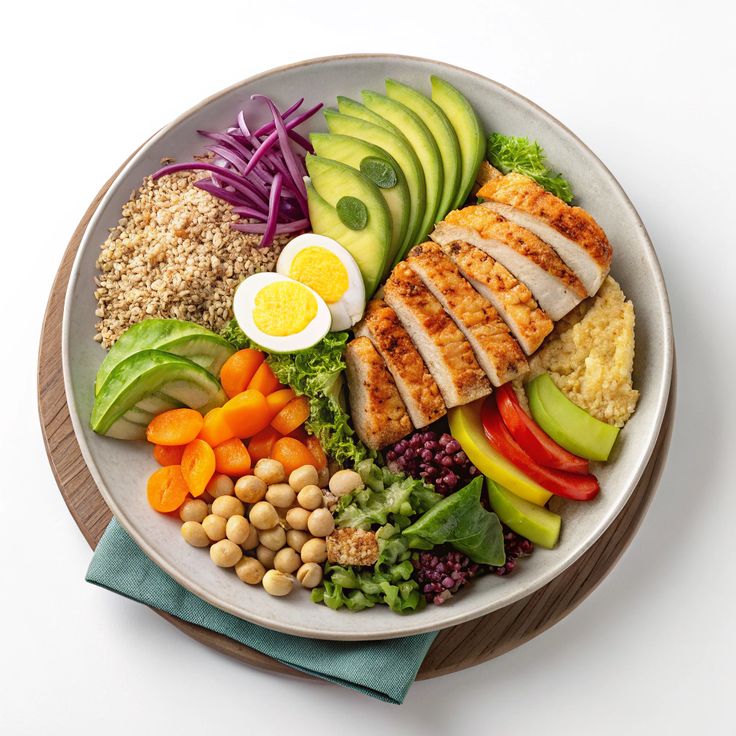
- Balanced meals with the right mix of protein, carbs, and healthy fats
- Fresh fruits and vegetables as daily staples
- Hydration through water, not sugary drinks
The goal? Fuel your body with foods that nourish rather than just fill.
Clean Eating Grocery List for a Beginners Guide to Healthy Eating (Beginner-Friendly)
Eating clean and healthy supports:
✅ Better energy levels throughout the day
✅ Stronger immune system and faster healing
✅ Improved mood and mental focus
✅ Healthy weight management
✅ Reduced risk of lifestyle diseases like diabetes, heart problems, and obesity
It’s not about being perfect—it’s about making better choices, more often.
7 Simple Steps to Start Eating Healthy
1. Fill Half Your Plate with Vegetables
They’re full of fiber, vitamins, and minerals. Choose colorful veggies like carrots, spinach, broccoli, and bell peppers.
2. Choose Whole Grains
Swap white rice and white bread for brown rice, oats, quinoa, and whole-wheat options. Whole grains keep you full longer and stabilize blood sugar.
3. Lean Proteins Matter
Include protein in every meal—like eggs, chicken, fish, beans, tofu, or lentils. It helps build muscles and keeps you satisfied.
4. Limit Processed Foods
Packaged snacks, soft drinks, instant noodles, and fast food are often loaded with added sugar, salt, and unhealthy fats. Try to reduce them slowly.
5. Stay Hydrated
Drink at least 6–8 glasses of water a day. Herbal teas, lemon water, and coconut water are also good options.
6. Watch the Sugar
Check labels and reduce sugary drinks, desserts, and snacks. Replace sugar with natural sweeteners like honey or dates in moderation.
7. Plan Your Meals
Prepare simple, balanced meals at home. This helps you avoid unhealthy last-minute choices and saves money too!
Clean Eating Grocery List (Beginner-Friendly) for a Beginners Guide to Healthy Eating
Here’s a basic shopping list to help you get started:
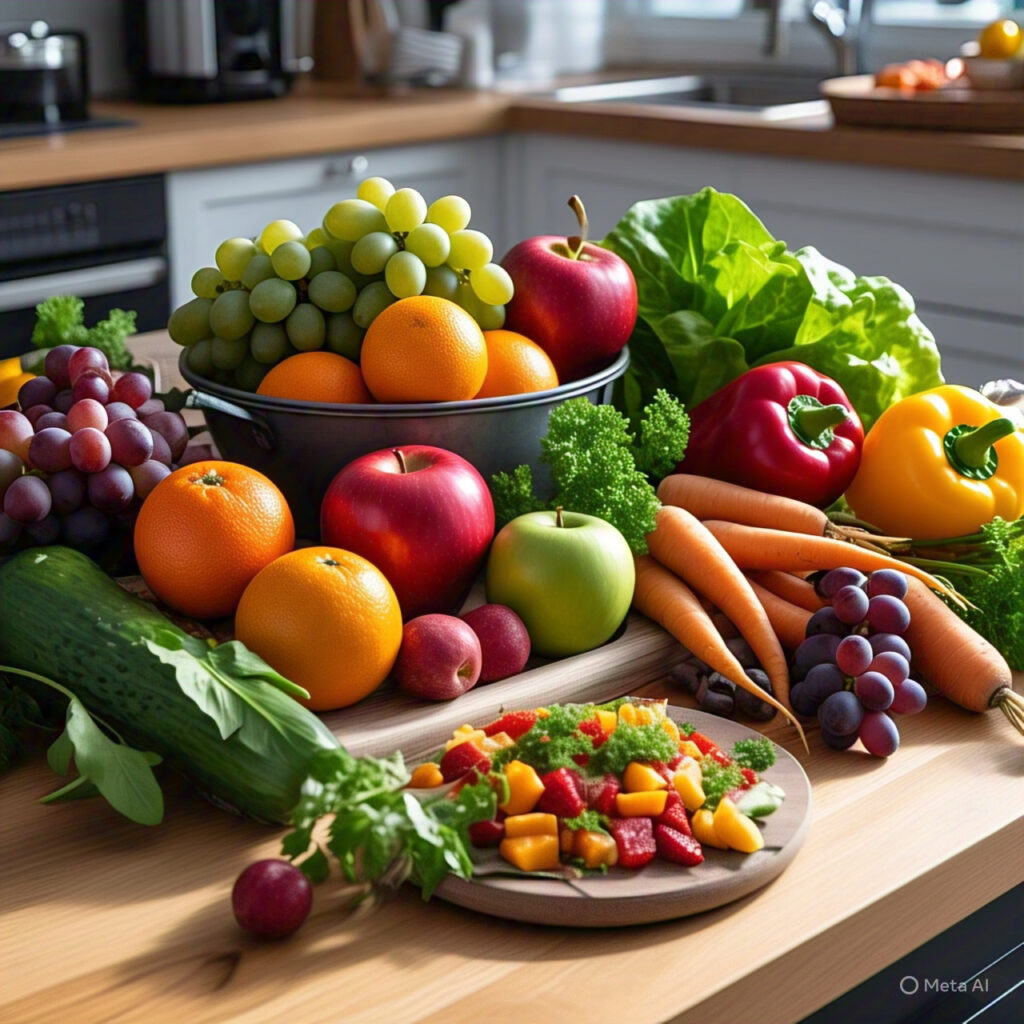
- Veggies: Spinach, broccoli, carrots, bell peppers
- Fruits: Apples, bananas, oranges, berries
- Grains: Brown rice, oats, quinoa, whole-wheat bread
- Proteins: Eggs, chicken breast, chickpeas, lentils, tofu
- Dairy/Alternatives: Yogurt, plant-based milk (almond, oat)
- Healthy Fats: Nuts, seeds, olive oil, avocado
- Herbs & Spices: Garlic, ginger, turmeric, cumin, cinnamon
Clean Eating Is a Lifestyle, Not a Diet
You don’t have to be perfect. It’s okay to enjoy your favorite treats occasionally. The key is balance and being mindful of what you eat most of the time.
Start small—maybe one healthy meal a day, or swapping soda for water. Over time, these small steps lead to big results.
Final Thoughts
Healthy eating isn’t about giving up everything you love. It’s about finding a sustainable, enjoyable way to nourish your body and live stronger.
So, take that first step today. Eat clean, stay active, and live your life full of energy, confidence, and strength.