
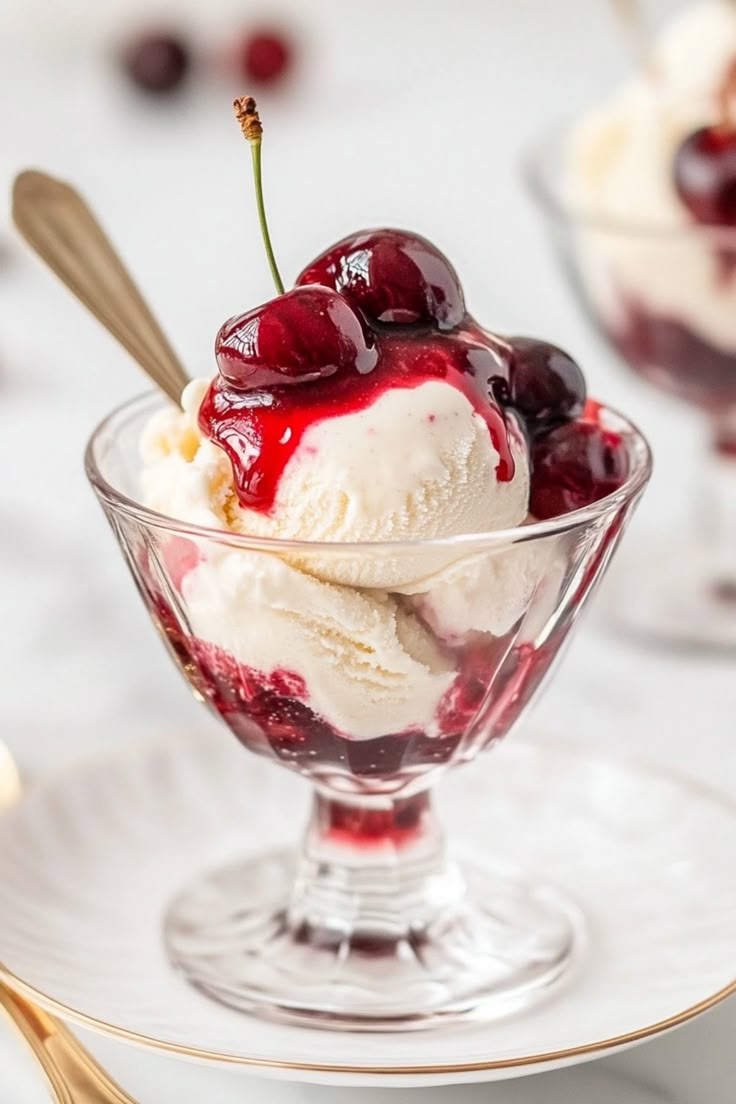

Embark on a culinary journey through the Origins of Dishes, celebrating the rich tapestry of global flavors, seasonal ingredients, and heartfelt traditions. Whether you’re seeking quick weeknight dinners, indulgent desserts, or plant-based delights, our recipes are designed to inspire both novice home cooks and seasoned chefs alike.
How to Write Mouth-Watering Food Descriptions
- Engage the Senses
Transport your readers to the dining table by appealing to all five senses. Use sensory language to describe how the food looks, smells, feels, and tastes. For example:
The golden-brown crust of the baguette crackled under the knife, releasing a warm, yeasty aroma that filled the room. Inside, the soft, airy crumb awaited, promising a melt-in-your-mouth experience.
worldfoodwine.com
- Use Vivid Adjectives
Adjectives breathe life into your descriptions. Opt for words that convey texture, flavor, and freshness. Consider:
cuboh.com
+1
orders.co
+1
Crispy, tender, juicy, velvety, smoky, zesty, succulent, rich, fluffy, golden-brown
cuboh.com
“The steak was a culinary masterpiece. Searing on an open flame had given it a tantalizing, crusty brown exterior that was tantalizingly seasoned with coarse sea salt and cracked black pepper. When cut into, it revealed a juicy, rose-pink interior that promised a mouthful of savory, meaty goodness.”
worldfoodwine.com
- Incorporate Storytelling
People connect with stories. Share the origins or inspiration behind a dish to add depth. For instance:
lindseyaskew.com
+1
cuboh.com
+1
Inspired by my grandmother’s recipe, this apple pie combines tart Granny Smith apples with a buttery, flaky crust, baked to golden perfection and topped with a sprinkle of cinnamon sugar.
- Highlight Unique Ingredients
Emphasize special or local ingredients that make the dish stand out. This not only informs but also intrigues the reader.
Our signature pizza features heirloom tomatoes, hand-picked from local farms, paired with creamy buffalo mozzarella and drizzled with aged balsamic vinegar.
- Avoid Overused Phrases
Steer clear of clichés like “mouth-watering” or “delicious.” Instead, be specific and descriptive to paint a clearer picture.
Sample Food Description
Dish: Truffle Mac and Cheese
foodypage.com
Dive into a bowl of our Truffle Mac and Cheese, where al dente elbow pasta is enveloped in a creamy, velvety cheese sauce infused with the earthy aroma of truffle oil. Topped with a golden-brown, crispy breadcrumb crust, each bite offers a harmonious blend of rich flavors and textures that dance on your palate — a gourmet comfort food classic that shines in the Origins of Dishes collection.