Graphic design ?

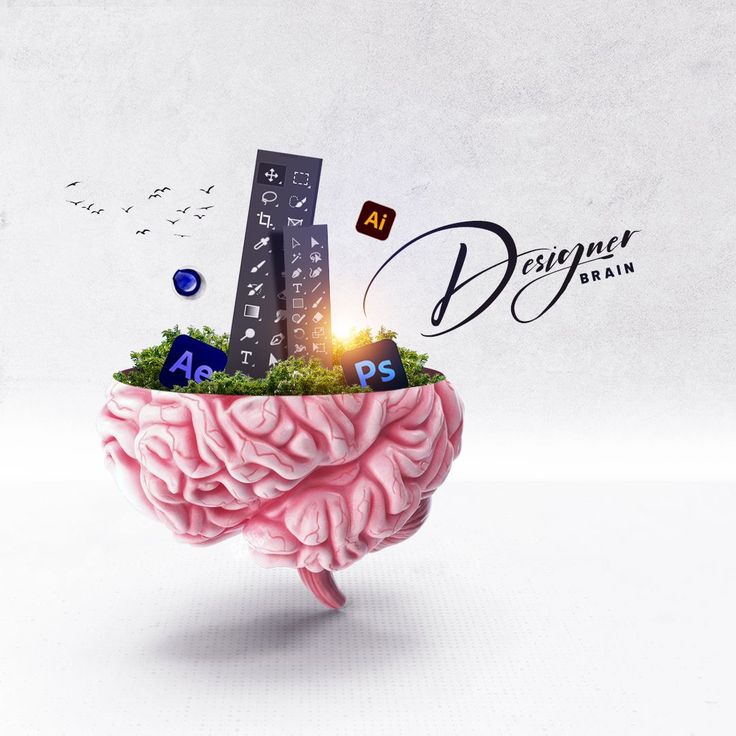
A comprehensive graphic design course immerses students in the fundamental principles of visual communication, beginning with core concepts like typography, color theory, composition, and hierarchy. Students learn industry-standard software—including the Adobe Creative Suite with programs like Photoshop for image manipulation, Illustrator for vector graphics, and InDesign for page layout—to transform their creative ideas into polished, professional work. The curriculum typically progresses from foundational theory to practical application, encompassing logo design, branding packages, editorial layouts, web design mockups, and user interface (UI) basics. Crucially, a strong course also emphasizes the development of a critical design thinking process, teaching students how to solve visual problems creatively, receive constructive criticism, and build a robust portfolio that showcases their unique style and technical proficiency to potential employers or clients in a competitive market.
Oppertunities of Graphic designer
- Of course. Here are five key opportunities for a graphic designer:
1. **Diverse Industry Demand:** Virtually every industry needs graphic design, from tech and entertainment to healthcare and non-profit, for branding, advertising, and communication.
2. **Specialization Paths:** Designers can specialize in high-demand niches like User Experience (UX/UI) design, motion graphics, web design, or environmental graphics.
3. **Freelance and Entrepreneurship:** The field offers immense flexibility to work as a freelancer, run a studio, or sell original designs, fonts, or templates online.
4. **In-House vs. Agency Roles:** Designers can choose the stability of being an in-house expert for a single brand or the variety of working at an agency with multiple clients.
5. **Continuous Evolution:** The industry constantly evolves with new software and digital platforms, providing endless opportunities for learning and career growth.